Episode 41 · August 13, 2025 · 1 hr 21 min
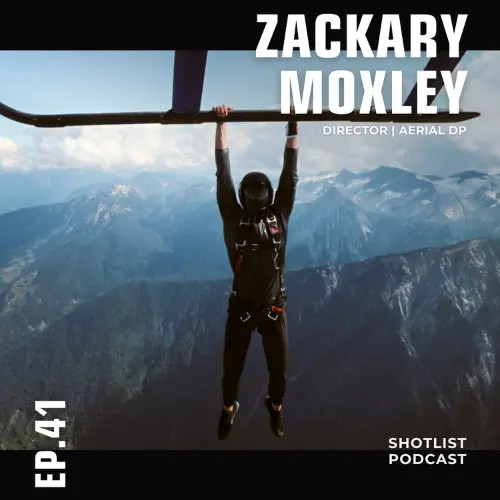
How Director and Aerial DP, Zac Moxley Built a Dream Filmmaking Career
with Zac Moxley, Director & Aerial DP


If you've been at this a couple of years and you're wondering why the work isn't coming yet, or you're about to buy a big piece of gear, this one's for you.
If you've been at this a couple of years and the work still isn't coming, Zac has been there. He shares how he recuts paid jobs into the work he wants to be hired for, the difference between directing and operating money, when to spend on specialists, when to buy gear, and how one DM turned into some of his biggest trips.
Key takeaways
- The gym and the career are the same reps. Zac dropped 100 pounds as a teenager. He remembers walking into the gym the first time thinking this is going to be a long journey. I think about this a lot in my own training. Those last couple of hard reps are the same ones that push your career forward. Freelance ebbs and flows, and that resilience is what keeps you from getting down on yourself.
- Every door can lead to a lot of doors. His handle is Down to Film, and he still lives it. Some of his craziest trips came from shoots that looked like a mess on paper. I asked if he has rules. Mine is portfolio, people or money, and if it's two of the three, I take it. He doesn't, but he's more selective now and thinks about how each job can lead to the next one.
- Recut the job into what you want to be hired for. Zac makes director's cuts aimed at the next job. 90% of what's on my website is a DP or director's cut too. You get paid, work with a good crew, and then reshape it so it shows the world the direction you want to go.
- Directing pays more per day. Operating pays more per hour. Zac calls it his golden triangle. As a director you're on the treatment, the pitch, all the pre-pro calls, for one, two, three months, and only getting paid for the days on set. Operating, you hand off the cards and you're done. He balances both, and flying drone on other people's jobs lets him watch how other directors run things.
- Go make something a client would want to hire you for. If you've been at it two years with no work, go film something. Get a crew of people also pushing their careers and make a spec with an agency mindset. Who's the target demo, what's the messaging. Zac's COVID trip to Vancouver Island with no plan got licensed by a watch brand, then led to a trip to the Mara in Africa. A Sony trip to Norway with no fee led to more Sony jobs.
- Spend the money on specialists. He used to do it all himself as a one man band. Now if a sound designer, colourist and VFX artist each make it 10 or 15% better, that's a project that's 40% better, and that might be what beats the person bidding against you. Sometimes that money comes out of his own director rate.
- Manage the dopamine. Helicopters, Lamborghinis on a track, lions. Your brain goes way up and way down, and then how do you live up to it. Zac plans the recovery. Three hard weeks, then two weeks off. Gym, eating well, sleeping. On the road I bring a yoga mat and do a ten minute routine, skip the extra drink, wear a sleep mask. Little checks and balances.
- Buy gear when there's a client to pay for it. Are there clients who'll rent it from you? If you came from content creation, you might not even be billing for your kit. Bill for it. His probe lens is nearly three quarters paid off. Zac and two partners bought a Moto crane to use inside their own nimble productions. The underwater housing he bought for one job has sat on the shelf. Next time, he hires the underwater DP.
- Add value before you ask for anything. Most of Zac's work is repeat and word of mouth, but Instagram is his business card. One DM led to an intro in LA, a skydiving trip in Europe, and jumping out of a plane into the Blue Hole in Belize. If you message someone, think about how you can help them. People can feel a what can I get from you energy right away.
“I get to go on to jobs and see how other directors work, how they approach jobs, how they handle crews. And I get to take some of that. How can I elevate my directing work so that I can go to the next job better than I was before?”
Zac Moxley
Try this today
Make one spec this season with a brand in mind.
Pick a brand you'd love to work for. Figure out who they're talking to and what their message is. Get a few friends who are also trying to push their careers, and go make something that fits. You don't need to sell it to them first, and nobody needs to know it didn't come from the brand. Post it and send it.
See Zac's work →Chapters
- Behind the Instagram highlight reel
- 294 pounds, a Glidecam and Whistler
- From action sports to tourism to commercial
- Down to Film: every opportunity can change your life
- Director's cuts aimed at the next job
- Directing vs operating
- Smaller crews and the state of the industry
- The grind and instant gratification
- Spec work that turned into paid jobs
- Hiring specialists to make the work 40% better
- Burnout and managing dopamine
- Buying the right gear
- 50 drones in the dirt and the underwater housing
- Relationships and one Instagram DM
- Manifestation and vision boards
Connect with Zac
Connect with Marshal
More episodes like this
Transcript generated automatically, with names corrected. It may contain small errors.
What I think is cool about doing both the drone and the directing is I get to go on to jobs. I get to see how other directors work. I get to see how they approach jobs, how they handle crews, you know, what their whole workflow and process is like. And I get to take some of that like, OK, how can I elevate my work? How can I elevate my directing work so that I can go to the next job better than I was before? Hello and welcome to another episode of the SHOTLIST podcast where we talk about how to make a life and a living behind the lens. I'm cinematographer Marshal Chupa and today I'm speaking with director and Ariel DP Zachary Moxley. Today's episode is sponsored by Lorne Lapham Sales and Rentals for my first big camera purchase, the countless lenses and lighting rentals. Lorne Lapham has been a huge support for my career, backing me from the early days and helping me build the career I have today. If you're looking for a trusted rental house for your next project or you're about to pull the trigger on a big gear investment, they're the team I personally trusted to grow my career alongside of.
As a listener of the podcast, you're going to get 20% off Rentals by heading over to llsr.com/shotlist and signing up for your free 20% Off Rentals membership. And no, this isn't just a one time discount. Once you're in, you're in and you're part of the Lapham Creators family. Link in the show notes below. In this episode, Zach and I dive into how a major lifestyle shift in his teenage years, dropping 75 lbs, sparked the discipline and grit that became the foundation for the successful career he's built today. Why he treats every opportunity like it could change his life, and how that mindset has consistently opened massive doors. The long, inevitable grind behind building a career he loves, especially in a world obsessed with instant gratification and the do's and don'ts of buying expensive gear, how to time your purchases, understanding the purpose of each tool, and making smart investments that actually move your career forward. Zach's one of those guys who doesn't just have a vision and a direction for where he wants to go with his career. He backs it up with relentless work, a clear sense of purpose, and the courage to bet on himself. I'm stoked to share this conversation with you. Let's dive in.
All right, Zach, thanks so much for coming on the show today. Yeah, thanks for having me excited. I've watched a few different of the episodes that you've put out and I've been waiting for the time. I know we've we've gone back and forth a couple of times to line this up. So I'm happy it's finally happening. I think it's, you know, awesome to share my side of the industry and obviously have so many different perspectives come onto your show. So I think it's awesome to be able to share any knowledge in our industry and stoked hopefully someone can take something of this and integrate it into their own own world. Yeah, I mean, speaking, I'm trying to get you on the show like you've been at least what it looks like on Instagram, tells me a very busy dude traveling around the world shooting epic projects. Like it feels like your career is exploding right now. Tell me if that's true or what's going on for you right now. Yeah, I mean, we kind of chatted about it a bit. Obviously Instagram has this kind of two faced 2 sided thing to it where you only post the stuff that you love, you want people to see.
I think obviously I've done a good job and I've been I've been working at it for a long time to set up these different avenues and different opportunities that I've gone down these different roads. So I think a lot of the stuff that I am posting is true to self. But yeah, there's, there's been so many things the past couple of years, lot of travel, but that was something that, you know, I brought into my life. I manifested when I was younger. I really wanted to bring that travel experience into my work. And I set a goal when I was like 2017, I want to do an overseas job. And then after that it kind of segwayed into multiple overseas jobs. And I think when I finally got my first one, it was like 2018. I, I was flown to Germany and I was like, well, this is possible, you know, it's possible to get to go to these places and fly to these places for work. Since then, I think I've been over to like 50 countries now, not all for work, but a lot of them for work multiple times to, to different countries like Brazil and Colombia, all epic places, all epic locations. And I've been taking that travel mindset into production. And I think that's where, you know, you learn a lot. You learn a lot on the road, you meet new crews you you know, you're working on.
They're not massive productions we're doing. They're usually nimble like cruise, and you kind of have to keep it like that when you're operating with cruise locations of that caliber far in the distance. But yeah, that's, you know, that's been something I've been trying to take into my everyday production. Yeah, well, let's rewind the 50 plus countries now later and built a career. If we roll back all the way. I was scrolling through Instagram all the way back to 2013. I saw this photo of you. You're holding a glide Cam. And the caption actually said a little over a year ago, I weighed myself at 290 lbs. Today, only 215. I'm stoked to have changed from one lifestyle to another. Feels good. Tell me about that moment. Like, what was that? Because I feel like that was probably a tipping point somewhere back then. And by the way, you look super young in that photo, so yeah. So I can rewind even further.
I think my entry into filmmaking, it started in Whistler. I grew up in the mountains, but when I was younger, I was a bigger kid. I was 294 lbs at I think like 12 years old, thirteen years old. Which honestly was kind of the the segue into filming because all my friends were good at skiing. All my friends were good at skateboarding, biking and you know, as a 294 LB kid, I wasn't quite as good at those sports. You know, I can get myself down the mountain, but it was the entry into filmmaking. So I followed them around with a camera, chase them around the black park on with their black home, chase my friends down through the bike park. And that's what really set me up into my career. Like I, I don't think I realized that it was a career when I was 12 or 13 chasing them around the mountain with a camera. But you know, it was the one thing that I could do and then I could catch up with them. And obviously going into high school, that's something you want to change, right?
That's a lifestyle you want to change, especially doing the, the type of filming that we are doing, ski touring, all of these things that require good health and fitness. So from there, 1415, I was like, OK, I got to change something up here. Started losing a bunch of weight, dropped 100 lbs. But. How did you do that? I actually remember my first time stepping into the gym. It was, it was definitely a diet based thing. I ate a lot of cheese, a lot of bread, but I knew I needed to change. I, I mean, I live in Whistler. I lived in Whistler, right? Everyone's healthy. There wasn't the state to be in. So knew I needed to change. I remember my first day stepping into the gym like this is going to be a long journey. This is going to take a while, but it was great. I, you know, I spent the next year, year and a half grinding it out, cutting out all these different types of foods, working out a ton, ski touring a ton and just really focusing on that active lifestyle of filming.
And especially in Whistler too, it's like everything you're shooting is based around that. So that was something that, you know, when I changed it up and opened up a ton of new opportunities, obviously, you know, better, healthier to go on these trips, these expeditions. And that was something that, you know, I take with me a lot now, like I, I'm at the gym six days a week. You know, I'm not training for anything specific, but, you know, look good, feel good, you know, good health for, for filming. You know I want to be in this state all the time. So tell me what those early days, So once the weight loss thing happened, you've kind of garnered a new opportunity physically, mentally, probably stepping into this career. Like what were those early days like? Because I think a lot of people question, you know, how do you break into something like this? Yeah. So those early days, I look at a lot of DPS in this world, a lot of DPS directors that have come from an action sports background. And I think that action sports background actually creates a lot of talented DPS, lot of directors because you're working, you know, on these jobs, your one man band. And so those early days of coming out of this journey, coming out of this weight loss journey turned into opportunities being able to travel. I think one of the biggest jobs that I got right out of that was a destination BC job that required lots of hiking. Those opportunities sprung from there. So, you know, as we saw pretty much every corner of BC and this was just on the tail end of that weight loss journey. I think that's probably where that just after that glide Cam photo was posted maybe a year or two after. Yeah, those jobs were epic.
Like those were some of the my like starting points in in filmmaking. I took this transition from action sports, the ski world into like a tourism esque world and then obviously have shot off into the commercial world. So it's been a bit of a stepping stone. And you know, I think a lot of action sports director DPS can attest to, obviously there's not a ton of money in that industry, but you always find yourself going back to it too. If you started in it, you always find out, OK, how can I go back to the action sports back like world? How can I integrate a project with action sports? Because, you know, that's ultimately what you came from and those projects are exciting. So yeah, there was a lot of a lot of opportunity that came from from that initial health journey. And I think that's, you know, it's something that I'd work hard at sharing with other people too, if, if that's something that they're interested in. And I do share that story, not typically very public, but I do share that story when I meet people because I'm like, it's an inspiring thing to be able to take that. And I think that mindset too, of doing that, that's a hard thing to do.
And so if you do that, you can apply that to other areas of your career, of your life, ultimately helps drive further progression. Yeah, I can see such a direct correlation and I've even done this in my own head in the gym. It's just like when you're you're wrapping out the last two reps or something like that, you're just like, well, it's the same approach in your career. It's like if you're giving the last couple extra harder reps that's going to put you forward for, you know, the next guy and you get noticed or you're pushing. It's just the same mentality ultimately. So I can kind of see like the direct correlation, it's been hand in hand for me to the gym or whether it's trail running or whatever. The thing is, I'm pushing myself through in my personal life also reflects almost directly what I'm doing in my. Business life so. Yeah, I think it's that and you can probably attest to it, but I think it's that mental toughness you build that's so important I think to especially a freelance career, you know how it goes. It's it's ebbs and flows.
And so that's why I think the the health journey I think definitely was something that built that resilience, you know, not bog yourself down, not get down on yourself when things aren't going your way. So that's something, you know, being able to take it from there into a career aspect is the cool thing, I think. Yeah, and I want to talk a bit about like your mindset and approach to your lifestyle and career, which kind of like segues perfectly off this, but your Instagram handle is like at down to film. And I think that's so, I don't know, perfect because something you also mentioned to me earlier and I quote like I feel like every opportunity has the potential to lead to something crazy. So I really take that approach with everything I do. So that whole down to film, it just makes me think like, OK, you're just down all the time. What do you got something going? Let's go. Like that's the energy I see you bringing to the world. Like how is that like shape and build your lifestyle.
Yeah, so the handle down to film is it's crazy that one stuck with me for so long because I think, I think I made that account and I guess whenever Instagram was created in 20/20/12, I guess, or 2011. So we're going on 14 years of that handle. And that seems to be the only consistent across, you know, company names and and, you know, branding names and identities and stuff. That's been like the one consistent theme. And I think, yeah, I got starting in the action sports world. I was down. I was down for everything. I shot everything. I would be out there all the time. You know, grade 12, I think it went to school like two to three weeks out of the whole year. You know, I had online classes, but it was the opportunity I was seeing to be able to get out there. I was down to go out on these trips. I was down to go on the mountain. Anything that I could do to get a camera out there was the approach I was taking.
And obviously that's transitioned and changed over the last, let's call it three to five years, trying to be a little more intentful with what I'm shooting, but still always down. If someone has a crazy idea, I'm out there with a camera. So that's definitely something I've taken to heart. And I think kind of what I mentioned to you is I always find it interesting. It's the opportunity that can come from one door can lead to like so many different doors. And you know, you obviously want to stay intent full with what you're doing or, or strategic, but I think a lot of those doors, you have no clue what's going to come out behind it. So going to that meeting or going to that shoot that might not be paying you that well could lead to meeting someone that's going to bring you on this trip and then it segues into this job. So I find it interesting, like I obviously look at both, both sides of the coin when I see people turning down jobs because they're not enough money or they're, you know, it might be a little bit of a crapshoot where you're like, I don't know if I need to go on this. It sounds like chaotic.
But some of the, I think some of my craziest journeys or adventures or experiences, whether they were big pay or they weren't paid at all, have come from one of those situations where it's been like this seems like a mess, but I'll give it a go, you know? Right. Yeah, the one door leads to another. Like that is a definitely a thing. And it's a dance though, because you got to be kind of careful. It's like how much energy and you only have so much energy and time, So where are you putting it? And then obviously, yeah, you want to direct your career and the way you want it to go. But at least the way I like to think about it sometimes it's like, is this about the portfolio, the people or the money? And if there's two of the three, I take it like you have anything like that you mentally think about or? I would love to tell you that I do have rules for myself. I don't, I haven't really ever said any like hard rules for myself. And you know, obviously that's led to situations like burnout in the past.
I think the past, the last few years have been since I've been doing projects that I've been stoked on. A lot of the stuff I've been putting out has led to projects that I've been stoked on. I think the burnout's been a lot less noticeable because you're going to do things you want to do, right? I think burnout is, from my viewpoint is typically caused by things that you don't want to do that you have to do. And so if you're doing the projects you want to do and you're going to the places you want to go to, the burnout in my eyes is much less noticeable. So I haven't really said any rules in that regards. I think I definitely am being a little more strict with what I'm taking on nowadays. Like you said, is it based on the people that I'm going to be involved with, the money? Those things have to obviously play in and weigh in on a factor base, but a lot of the time I'm sending intent and goals for certain types of jobs or certain types of work, even if they're not well paying, it's like, OK, how can this one lead to another job that will pay well or that will bring in a bigger contract?
And so just being like selective in that regards and how you can like, I guess, craft that job so that you know, whether that's making a nice director's cut out of it that's fabricated towards that next job. I think that one's pretty crucial. And then typically what I've noticed is it has from that every time, almost every time lately, it's stemmed into the next job that I I do want to do. Yeah, I have a similar mindset in that oftentimes I think if you look at my website, 90% of what is there is is ADP director cut, you know, like it's something that is re been reshaped for the world in which the way I hope to get the next job and shoot. And so I think if you can get a little bit of the way there, you know, with the job, get paid, work for the good crew and then reshape, I think each time maybe you re mold and then eventually your career starts to shape and move in that direction because that's the way in which you're showing the world. I want to go this way.
Well, and it's funny too, because I feel like DPS and directors get hired for those director cuts and then somehow down the line, the agency or the whatever the client, it like goes a complete different direction. And you're like, it's such a weird thing to yeah, you're getting hired for that piece, but then you don't get to put that piece out or you don't get to fabricate that piece. And it makes sense. Like, obviously, you know, there's different target demos they have to hit and there's different things to make their ROI worth it. So it does make sense in regard in in a sense, but it's funny, the director cuts typically get, you know, pushed to the side and and that's not what we want to do, but that's what we're hiring you. For yeah, it's almost like the sex appeal that gets you in the door, but once you're in the party, they're like, Oh well, the party's actually going to go this way, but but glad you came. Yeah.
Thanks for showing up. Yeah. Yeah, exactly. I remember the day clearly, driving into Vancouver and walking into Lauren Laughham for the first time. It was one of those big career moments. I had word that if I could get my hands on a Sony FS7, I'd have a shot at joining the Canadian Rally Championships media team. I'd done my research and I knew which camera I wanted, but I wasn't just looking for the best price. I was looking for someone who actually gave a shit. That's when I met Brent. He told me that he had a used F7 with 0 hours on it and he knocked a few grand off the price tag to help me get into the package. That savings helped me afford the little things that inevitably come with buying a new camera build. And right away I felt it. These guys cared. They weren't just selling gear, they were investing in people. From that point on, as I grew my career, I started renting my lighting and grip from Lapham.
As projects came up, I'd rent different lens sets depending on the look I was chasing or different lighting and grip gear I needed on a shoot by shoot basis. Years later when I kept getting asked to shoot on Red, it was time to level up once again and I knew exactly where I was going to buy my Red Raptor. Brenton helped me out so many times, even hooking me up with rental gear for passion projects I couldn't have otherwise pulled off. And when there was a light leak issue with my Red Raptor, his team jumped on immediately, handled the shipping and made sure I had a backup camera lined up for the next shoot. They've gone above and beyond for me and honestly, I've dealt my career with laugh them beside me the whole way. So if you're in Vancouver and you're looking for a rental house, or you're about to draw money on a big camera purchase from anywhere in the world, these are the guys I trust. And as a SHOTLIST listener, you're going to get 20% off rentals by heading over to llsr.com/shotlist and signing up for the SHOTLIST discount. Membership often has been a part of my story from the start, and I hope they can be a part of yours too. Let's get back to the conversation. So.
Your career has kind of shifted. I mean, recently I've what kind of watch your curve? All that started out as I knew he was like the drone guy, you know, and now it's like I see you really pushing the director side of things. So how has that evolved and like, why did you choose to push more into directing? I have this theory called the Golden Triangle. Oh, you do have rules. OK. It's not a rule, It's a, it's a, it's a theory. It's the golden triangle. I don't even know if it's a triangle, might just be two sides here, but essentially it's the directing versus operating side of things. So just going out and being an operator, just going out and directing, right? When you're directing, you're obviously putting everything into that project. In pre pro production, post production, the pitching aspect of it, you're spending so much time and as a director you're only getting paid for the days you're on set most of the time. It's an interesting thing because especially you get so attached to a project, every project you take on, if you're directing it, you're spending so much time in the treatment, the pitch.
It's something that you, you, you put all your eggs into the basket and you know, you end up spending a month, two months, three months on one project. And it's good pay. Like director rates are awesome, but you know, you can go and operate most of the time. I'm sure you know this too. You can go and operate and just run a camera and you're handing off the card and you're never looking at it again. And so like your actual input output or like you know your input to your pay on just an operating job is, you know, far exceeds most of the time as a director job. So I like to balance the two because you know, obviously I like taking on directing work, but it is a huge it's a huge thing to take on right? It's a lot of pressure to take on you're spending so much time on it. The output is up to you. The final output is up to you of that project. And that's not to say when you're out operating, you know, flying a drone, that's not the case either because it is you know, you have to get good drone shots, but there's a lot of other elements that are playing into that project. So there's not as much weight on your shoulder when you're just out operating.
So I think the stress levels are are so interesting to to look at just something I've realized the past year or two when taking on these director positions and you know, going out and flying drone and just handing off cards. I enjoy them both equally. I think I love shooting aerials. I've been doing drone stuff for 10 years now, which is crazy to say. Like it's like drones have been pushing for that long. It's insane. But you know, I love them both equally. I think there's a place for me still for both of them. I still want to do both of them. I think a lot of my projects I I curate towards being aerial heavy. I curate towards aviation work. I love aviation work. So wherever I can find like an aviation integration into a project, you know, we can get the the mortal or the shot over out there.
That's always, you know, epic for sure. Yeah, it's an interesting balance, I think I know for myself, yeah, I think one-on-one side of the coin, you probably can make a bunch more money playing director role, slot yourself in as a drone pilot, whatever the heck it is, you know, But the stress that the amount of pieces that have to move because of you are so different than the energy of, oh, I'm on set. I'm going to show up with the boys, have a quick chat. We're going to pop the memory cards in. Oh, is there like, good, let's let's nail the shot. Cool. We completed the day. Let's have a beer. We're over. You know, I think whereas the director was like, you are on all the pre pop pre pro calls. You're dragging that thing through the 7020, you know, 1700 provisions. And yeah. And also I don't think a lot of people have the mindset. This is the interesting part I think about you is like to someone who takes on the director's role, it doesn't come naturally for everyone. Like a lot of people, a lot of operators, right, they're just not cut out to to be in that because to be in the client conversations, to be in the the room, so to speak. You know, I don't think everyone's meant to do that. So it sounds like you do understand like the relationship emotional side of, you know, Mark. Yeah, the whole other, all the other bits and pieces that come with that, you know, is that something that's come natural? To you or.
I think it's still a learned, a learned thing. Like I'm still learning all the time. Every time I'm out on a project, I'm still OK. How can I, you know, what tools do I need at my disposal to to make this project a reality? Especially like, you know, we're operating a lot of travel jobs. Like we just did a job down in Mexico in December and you're working with an international crew and it's, you know, it's a complete different vibe, complete different setting. And obviously there's a lot of similarities, but you're still learning all the time, right? And what I think is cool about doing both the drone and the directing is I get to go on to jobs. I can just see how other directors work. I get to see how they approach jobs, how they handle crews, you know, what their whole workflow and process is like. And I get to take some of that and they OK, how can I elevate my work? How can I elevate my directing work so that I can go to the next job better than I was before? And so that's some that, you know, I'm still learning. And I think coming from a running gun action sports background, you know, I didn't come from the film school background where you learn all those tools, you learn them, you know, the complete storyboarding shot like all these heavy tools. A lot of the stuff we did when we started was like get a camera up, figure it out in post, you know, and I think to now have some of those tools and now be operating in that world. I think there's, you know, so many different ways you can elevate projects, right.
And it's like is if you have a dialed pre production, you can make the the shoot as cruisy as you want to be. But I also like both sides, like I also like going in. I think you can find a lot of cool moments when you go in and you're I don't want to say blind, but you go into somewhere and you're like, Hey, how can we shoot this location out? Because you find it, you know, if you're too, I don't want to call it too prepped for a project, but if you're like locations are super locked in, you know, you're setting super locked in. It's like it doesn't allow you to be reactive, right? Like you can't move an 80 person crew in 10 minutes right to a different location because the lights firing over here because you know, something else is going on over there. So I kind of like the the blend of the two. I think like having that spontaneity is super important in my opinion.
And it's cool to come from that background to be able to have that spontaneity, right? Because there's a lot of people that have come from the background where it's, you know, oh, if I don't have 80 people, I can't make this happen, right? And I think that that segues nicely into like what I think the state of the industry is doing. I mean, we're seeing a lot of production sizes come down as far as like budgets, crew sizes. And so a lot of these big production companies are like, what do we do? We have all this overhead, We have all these people. And it's a cool position to be in right now because we're, you know, going up from our two to three person crews, right? So we're kind of moving into that, into that field and you know, we've been the past year it's been anywhere from 20 to 100 person cruise. So it's interesting to see the switch and I think it's a, it's a cool place to be in given the state of the industry and the Segway that it's leading into.
Yeah, and I think, you know, this career is not for the faint of heart, let's say. And something you mentioned was that a lot of younger guys are coming in here looking for instant gratification, jump into this thing by DSLR drone, whatever it might be and and probably getting maybe a bit frustrated trying to take off. Can you tell me a little talk to me a little bit about like the the grind or the momentum that slowly builds over time, perhaps like the gym we talked about in the beginning, you know, you walked in there day one. You're like, this is going to be a long journey. I have a feeling that that is the same mindset that applies to this career. Yeah, so I mean, every day or every couple months I something pops up on my YouTube and it's like you posted this video 15 years ago and I'm like, whoa, you know, I was like that's insane.
Or, you know, a memory pops up on my phone and you're like. That was, yeah, that was. 1515 years ago that I started doing this. So I mean, I've been in it for like way longer than I seem to think, which is cool. But I think there's a lot of people coming into this industry now, which is also awesome because I think some people might see it as like over saturation, but that just means there's more brands that want content, there's more commercials that need to be shot. So I think yes, there's a lot of people coming into the industry. It's the most accessible it's ever been. Cameras are the most accessible they've ever been. Drones are the most accessible they've ever been. But it also means there's brands like, you know, there's more brands than there was 15 years ago, right? So I think they're kind of on the same parallel. But I think there's a lot of people that come into the industry and they're like, I've been working at this two years, like what's going on? And I don't have any jobs.
You're like, well, you know, like you got to put in the leg work, right? And like that being said, there's also some people that have come into the industry in two years and are crushing it, right? Because I think everything's so accessible, which is cool to see because the tools back then, you know, we're a little harder to make things happen where now it's like with Da Vinci and all these like things you have at your disposal. It's like the creativity is just like unleashed essentially, right. You know, you can get you can get a ember slow motion camera for what used to cost 120 grand for a phantom, you get it for 20 grand, right? And so you can do all these shots that you know, before were somewhat, you know, it's called a gate kept because the only way to shoot them was to have a lot of money and you can go out and shoot these shots that no one, you know, no one's really seen before in the same setting, right?
So you have all this creativity flowing because of the accessibility into the industry. But at that same time, I think it's interesting where, you know, you do have to put in the legwork still, you do have to spend the time you have to like, I think that's a question that I get asked a lot is like, well, how do you like, how do you start? You just have to go do, right, Like the most important thing is going to do. And I think a lot of people get hung up on like, why am I not getting any work? Well, go film something, Go make something, Go make something that, you know, a client would want to hire you for, right? I think that's the most important thing that people aren't doing is, yeah, I'm thankful, grateful that, you know, I don't have to go make specs all the time. I don't have to like, you know, do smaller jobs. I'm able to to do what I'm doing right now. But I think like, if you're just starting, you need to go out.
You need to, you know, get a crew together, find some other like minded individuals that are also trying to push their career. Put a group together and go make something different, right? Go create something that a client want to hire you for. Go. The spec world is interesting. I think it's the easiest way to get work if you can hone in on like a client or agency mindset and go make something that would appeal to them, right? So don't get hung up on trying to sell it to them. Just go make something with your own creativity and try to integrate some of those agency brand perspectives into the piece. You know, what's their target demographic? Who are they trying to appeal to? Like, you know, what's their brand messaging and go make that and then send it to them or even just put it out there. Like no one needs to know that it didn't come from that brand. You know, no one needs to know that. So I think that's something that's, you know, obviously people do, but a lot of people get hung up on trying to just get work right off the bat.
So I think there's there's definitely levels to that aspect. Yeah. Well, what I'm going to dive a little bit more into the Speck and passion project stuff like how much of that have you done and what do you think the results have been? I think there's a few projects that I've put out there in the past that have definitely segwayed into like, you know, bigger contracts. So I've seen like the direct correlation like 1 to 1. And I think I can also tie in a bit of the undercutting versus opportunity because you really have to like see the right path. You have to see past the path of the spec. Like what's your goal with it, right? Like is your goal to land a job with that client? Is your goal to land a job with that agency? And so I've seen a direct correlation where we've made a made a product, whether it had no money or a little bit of money and it's segwayed into a bigger job that's paid people properly, right?
So I think that like 1 to one or you've done a job for a production company just operating, you know, you might have discounted your rate a bit and it's led to like repeat work over multiple years, right? So, yeah, you took a bit of a hit off the start or maybe you went out for free for someone. Maybe you went out and operated for free. Like, hey, I really need a need a hand today. You go out, you fly a drone for the day. Really. How much energy did that take out of you depending on your time? And that's led to work over three to five years, right? So what's the actual investment of your time for a day to two days? You know, maybe you got paid a little bit, but the time, the, the reward of that is now you've worked, now you've had work with that production company or those people for multiple years, right? And so I think, you know, you have to tread lightly with the spec and the, you know, selling yourself short world.
But I think there's always like a mindset approach. You know, if it doesn't work out with that one company or doesn't work out with that one director, whatever it is, move on. Don't get hung up on that one forever, right? There's a lot to a lot to garnish on both ends. And you know, I think you can provide value and they can provide value and you can learn stuff. I think that's the most important part. I'd look to dive into maybe a specific spec, break it down because I think a lot of people maybe think about, well, how do I even do that? Cool. You're telling me to go shoot something that a client wants, you know, is there a specific project that you could like lean into when it comes to like, OK, where did the idea come from? Why did you pursue that? How did you pull a crew together? How did you execute? And then like all the layers of post production, like from an idea perspective, like is there something that stands out to your specific specific project? There's a couple.
I think an interesting 1 is so me, myself and Chris Clark and Steve Woods, we went out to Vancouver Island. This is like peak COVID. It's when no one was really traveling. And I think it was like, you know, obviously it was a little bit, you know, we were, we were, we were isolated doing our own thing, whatever. We went out to this cabin in the middle of the woods, no intent. You know, we grabbed some cameras, we grab some anamorphic lenses and we're like, cool, let's go out and make, let's go make. We have an opportunity here where there's a lot of wildlife, there's wolves, there's orcas, there's bears. Let's go out and shoot with our talent. Steve Woods, Let's make a piece that reflects his his wildlife expertise with his Conservancy and how he's doing, you know, what he's doing with his imagery to, I guess, protect, protect animal populations, or at least what he's putting out there, his messaging, he's putting out there. And so, yeah, there's no expectations. Lauren Laplum's is nice enough to give us some gear, lend us some gear for the shoot.
Went out there for I think 5 or 6 days and on top of just creating something is one of the most epic trips I've been on. Get to see wild wolves. At one point we had, you know, these orcas trying to feed us the seal hide, like they're pushing it up to the boat. You know, it's sunset blue hour. You know, the nice tones on the orcas, like honestly some incredible scenes, no intent of the product, like I guess no final output, which I think allowed us to be like very creative with what we were shooting. And we like like we're able to craft this message across. And you know, we did an interview with Steve and a little voice over and it's just a fun, a fun social, a fun project to do over COVID. Fast forwarding past that, you know, the project, we put it out there, we posted online. It was, you know, nice imagery. Chris Clark killed it behind the lens and didn't think it anything of it, but that actually segued into two, two jobs. 1 Steve the the piece, the original piece got licensed by one of Steve's brands that he shoots for, so a watch company. So we've restructured the piece to have some watch shots in it. We went out and I shot a couple shots of like him diving with the dive watch him in the forest with the watch. So we're able to license the piece, which is great. So got us paid, got us paid a little bit of money, but then it actually segued into another trip going to Africa on the Mara.
So I think that's like a direct correlation of like going out and doing something and then having two things Segway from it. We got to see these, you know, we got to see elephants, we got to see lions, we got to see all these different animals. And then I think the the third level of Segways, I never posted any of that footage from Africa. I kind of sat on hard drives and then I know everyone's pretty used to that. Definitely hard drives collecting dust. And it's like I should really post something from Africa. Like I feel like I've gone back twice now and I haven't posted a single thing from Africa. And to about a month ago. I then she was kind of popping off and I was like, I'll just go in and color a couple of clips and see what's going on. End up posting a few clips and the, the post blew up. It got like half a million views and a bunch of likes, whatever. And so I think that segue from, you know, we go back to going out during COVID on this like spec shoot and it's segwayed into these like multi leveled situations, right that now, you know, I don't know if that wildlife stuff I posted will bring anything, but it might, right? Like it's out there now, it's posted, it's online, had a bunch of people reach out about it.
Has it manifested in any work yet? No, Will it potentially. So that's what I think the interesting part about it's just like 1 door is just like infinite doors. You know, it's like as long as you do a good job, you got to do a good job. Of course, that's I think like the best correlation. We, you know, there's been another one where we did this job for Sony pretty much was just like the trip was paid for. There was no money, money behind it. Trip was paid for. We got to go to Norway, do some ski sailing, which again led to some unreal experiences. We had the Northern Lights above the sailboat at one point. You know, we're up on these top of these fjords looking down to the ocean, living on a sailboat with like 5 year best friend, six year best friends. It was unreal, surreal kind of locations and everything. And that led into a couple Sony projects after that. So I think those like stepping stones, as long as you're in temple with them and you kind of have like a goal of where they're going to project to even if you don't, I think there's there's a lot of lot of opportunity that comes from them.
Yeah, I mean their their lifestyle points too. It's just like, I mean, I think it's something that I get caught up into or so focused on his career thing that we're building and we get obsessed and it comes our life. And then there's also like, well, what are we experiencing? And we're going to die, right? We're going to be on our deathbed and saying what do we do with our time? And something that I've kind of like woken up to is like, this is all going to be dust on a hard drive one day. Like literally what you said, it's like, so then what experiences are we attaching to these? And then And so maybe, yeah, what I'm hearing is that oftentimes this project leads to lifestyle points, experience points. It's not necessarily the bank account points or you know what, what not. So I think that's really, really cool. And when you look at your feet or whatever I can, you know, you say 50 plus countries around the world and it really shows that you've yeah, taken those opportunities and be like, okay, this is about living, you know, being down for life. 100% I think like most of these opportunities have have segued into like the core life memories that you build, right.
And I think that's, you know, in my eyes, more important than the money that's come from it. I think those experiences are worth like, you know, we found ourselves on the Mara a couple of times in Africa and that's like, that's something that people retire. Like when they retire, they go to Africa and they do these trips and if you can live those experiences at this age, that's epic, that's priceless. You know, it's like, you know, I'm going to look back on it and I for sure trade the money for, you know, what I've gotten to experience. And then on top of that, if you get to make money while doing it. Yeah, that's the perfect concoction. Yeah, yeah, exactly. So I think that's that's an important part to take home for a lot of people is if you're not shooting things you want to shoot, try to transition to those. And then I think you're going to be doing what you want to do. If you're shooting the things you want to shoot, even if they're not paid, I think those can transition into the life experiences and then you're excited to do it and your work shows from it.
And then, you know, hopefully that work is garnishing from it. Totally. And I wanted to dive into a little bit on the creative side. This one's a little spontaneous. It just came to my head. But I know when I look at your work, there's so many layers to the cake. Like you're doing all of the like when it comes to the sound effects and the color grade and the VFX and shooting the whatever high frame rate something and they're like, I feel like you're pushing so many. I don't know, I like to look at cinematography or, you know, DPNG worker, the work we created as like a cake. And it's like you Add all these different layers and the more layers, the more complex of layers, the more kind of unique and special it feels. And when I look at your, you know, the credits and the posts that you're putting online, it's like, OK, well, there's a whole lot of people involved through production to post production. Yeah. What are your thoughts and feelings on all the energy that goes into creating all those layers?
How do you see your style? Why do you put all that effort in, essentially? So, you know, circling back to the one man band action sports background, we used to do it all ourselves, right? We do the edit, you do the sound design, you do the color. And I think that's something still nice to have in certain regards or to be working with editors that can handle all of those, you know, start to finish if you have a tight timeline, if you're trying to keep it all in house. What I've realized over the last couple years is, you know, I'm not a sound designer by trade, not a colorist by trade. So if you hire those people that specialize in that, yeah, it might only be 10% better or might be 15% better, whatever that is. You're doing that across all three mediums, you're going to have a 40% better project. So if you're spending the extra money, you know, sometimes we're just putting all our money back on screen. You know, I'm taking it out of your director rate or your rental rate.
You're like, I want this project to be the best it can be because I know that the the path or the Segway that's going to come from it. And so if you're spending that extra money on sound design or spending that extra money on a good colorist who's really going to craft it, craft those certain frames to, to really pop, you know, can you do it? Can you have someone all in house do it? Of course. But I think that's, that's something crucial to take home. It's just if you can make it 1015% better across all those different layers, you know, add that extra VFX shot, I think that's 40% project, 40% better project might put you ahead of the person that's bidding against you with the didn't put that 40 extra percent in, right. Yeah, that makes a lot of sense. And so I feel like traditionally, if someone was to scroll through your Instagram, they're going to say this guy's living the life.
Look at all this. He's jumping out of helicopters. He's got, you know, flying drones around the world, traveling to Africa, all this sort of stuff, like, so let's pull back the curtain for a SEC. Let's get real. It's like, what are the downsides? What is like the mental health side of going full tilt all the time, being down to film, being down for life all the time? Because there's definitely we can only lay on the throttle for so long without burn burnout. Yeah. So that's an interesting point. I think, you know, going full tilt all the time, you'll, you'll feel that, right? You'll feel the, you're putting in all that time, all that energy, you're not spending time with your friends. You know, sometimes your health takes a hit. You're not able to work out just always being on. It's going to affect you at some point, right? Again, I kind of said it earlier, but the most important thing is, you know, how can you do projects that you want to do?
I think that really helps avoid burnout and that really helps you put in a state of, you know, if you're enjoying what you're doing, the benefits will be there. But I do think that you do have to take time for yourself and you do have to slow down eventually. Because the biggest thing for me is what I've kind of noticed over the past couple years is this lifestyle revolves around dopamine to a certain degree, right? So all of these activities, all these things, you're going to Africa and you're seeing these, you know, lions and you're jumping out of a heli. All of these things are just slashing your dopamine like you're just like, you know, you're up, you're down, you're up, you're down. It's like this big, you know, you're on top of a peak, you're in the ocean floor. Like it's a very dopamine forward versus, you know, maybe some people they do one vacation a year and they see some of this stuff.
So they're they're dopamine baseline kind of returns back to normal. So I think that's one thing I've kind of realized is like, how can you manage your dopamine better? Like, what are you shooting? Because like, at the end of the day, if you shoot the craziest thing you've ever shot, like how are you going to live up to that, You know, down the line, right? How you going to live up to that a year later? Like, what do I have to shoot now? You know, And I think that's the biggest issue with social media is like, you put something out that like pops off and you're like, well, how do I live up to that now? How do I post something as good as that? How do I make people as stoked as they were before? And you see people all the time posting, but like all the algorithm got me like, you know, I'm not getting engagement. It's like, oh, I have to make. And then they just don't post, right? I'm guilty of it. I don't post a ton partially because of that, but partially because, like, I like putting the stuff out that I like. So when I have something that I like, I'll put it out.
But yeah, that, that dopamine management, I think it's crucial. I haven't quite like grasped that yet and how to how to manage that if I'm being fully transparent, like it's something that I'm learning and like, how can I, you know, when I'm doing production, how can I like be cognizant of that? We did a a shoot and it's still in, in progress right now. But we did this shootout at Area 27. You know, we had a helicopter, we had an immortal camera system. We had two Lamborghinis on a track and you know, we had like, you know, helicopter buzzing in the car. Like it was like, you know, at the end of the shoot day, you're like, whoa, you know, and you like have to take this breath because you're like, that was. And then you get home and your brain is zapped. And so taking that knowledge of like those, those ups and downs and it's like I'm able to see when something's happening, you know, I'm able to see, let's call it a burnout before it comes.
I'm like, OK, so I have this, this three weeks that I have to push through right now. These are the things that I'm doing in those three weeks, OK, can I slot off 2 weeks of time after that to really like let my body recover? Because if you don't, it's like, and you're constantly chasing, chasing, chasing that that that dump is going to be, it's going to be exponential, right? So yeah, I think, you know, with social and with all these, you know, different mediums of having to get your work out there and seen other people's work and comparison factor, it's definitely something to manage. I'm still working on it and a lot of people are working on it. But I think there are tools that you can use. Rest is one of them, fitness is the other. Like if I can get home for a week and work out for a week after, like a chaotic dopamine filled shoot that that like resets me to baseline. That's like the one thing that you eat healthy, work out, sleep for, you know, 8 to 10 hours a day, you're like reset, right? And so if you're on that constant chase for two months, three months, whatever it is, and you're getting home and you're not doing that, that's where I think the burnout is really hitting people.
Yeah, I think it's easy to, yeah, especially when these longer projects. I think that's why I do love the commercial side of things because usually it's like a a quick hit, you're in for a week or something and and then you're back out. You can kind of balance your routine, but it is chaos for a moment. But I think, yeah, often so many people don't do what we do. Like they can have a routine, they can pick. I'm going to the gym five days a week, I'm going to go get groceries and I'm going to set my alarm, I'm going to bed this time. Whereas none of that applies when you're doing the career path that we've all chosen in here who are listening. And so I think for me, what I've done on the road is try to have little checks and balances. So it's like, could I instead of going for that extra drink with a crew, could I, you know, go to bed, you know, slightly earlier, put on a blackout mask and earplugs? Could I take 10 minutes from meditation after a day that's been like absolute dopamine filled, like you're like literally riding on some insane high to quiet the mind, go back into the body. I think it's as little checks and balances like that. Or did you bring some protein bars because the you have no idea what the food situation is going to be and and you can keep your body feeling instead of redlining. And so, yeah, I don't know.
There's like these little hacks that I have when I'm traveling and I know that they're not enough. And but when you come home, yeah, I think it's about trying to, like you said, create that routine, come back to being a normal human. Remember, you remember that, Yeah, that dopamine is just is, is definitely not sustainable, but freaking epic and an incredible life. Yeah, No, I'd agree with that. I think, you know, taking those tools, you know that you're mentioning, and I take a lot of those as well. Like if I'm on the road and obviously we come back to that, like directing versus operating, if I'm operating, it's a lot easier to hit the gym on the road. You know, if you're directing, you're like, hey, what's going on tomorrow? OK, what do we have to do for tomorrow? So it's a little harder to separate in that sense. But like if I'm, if I'm somewhere with a gym, it's like I'm going to be there at least two out of five days of that week. I'm going to get in there.
I'm going to make sure I'm in there. I think it's more beneficial than, well, I don't know, I'm not a scientist. But the sleep, like if I could sleep for an extra hour versus hit the gym for an hour, I think that extra hour in the gym is going to make me feel better. It's going to give me that extra mental clarity. You know, if I'm getting six hours versus 7 hours, I think it's worth it. You know, go for a run, do some sit ups, do something that's going to push you mentally, physically. And I think that will just set your day up. It'll set your day up or finish your day up stronger. You'll feel good going to bed and that's not going to be in the back of your mind for the rest of the shoot. I haven't worked out. It's same thing with eating too, like on production, especially when it's a production we're running. I want people to eat healthy. I want to make sure that we're, you know, eating well, get all the fuel you need.
The worst thing you can do is be on a shoot where there's no food or the food sucks. You know, it's like piss your crew off, piss yourself off and you're, you know, you're struggling to, you're doing these big and, and a lot of our shoots that we're doing are 14 to sixteens where you need to be fueled and you need to be energetic. So I think those are tools that, you know, in my eyes, your eyes, like those are crucial to like helping avoid the burnout. Like you said, you know, they're not the end all be all, but they're a level of, you know, helping you for sure. Yeah, even something that I've done is like travel with a yoga mat and in the evening, 10 minutes, just get on the mat, stretch the body and I have like a little like 10 minute workout routine. It's like my base level bare minimum. It's like, if I can't get here to gym, I can't get to whatever I could throw that yoga mat out and whatever on the concrete outside the hotel, whatever the heck it is. You know, it's like and just do body weight. You know, it's just like sit up, push up, like simple stretching and and in 10 minutes, I swear like completely can shift your whole like day of detention and energetic whatever conversation went on in the struggle you had and said and like all that it can, it melts away a bit, you know, versus the holding on to that and like putting it into the next day. So it's.
Going to bed and having full nightmares, you know, it kind of releases that, yeah, releases that energy for sure. Yeah, when in doubts when it out right, Yeah, exactly. Something that we've both been into playing is the gear game and I think maybe a little bit more than me. I think we both own red Raptors and and you have a lot more flying toys than I do, that's for sure. So I'm curious, tell me a bit about because there I think there was a right way and a wrong way to go about purchasing gear, when to purchase it, what to purchase. Tell me your thoughts and feelings around this. Yeah, I mean, now more than ever, there's so much stuff coming out. Every month it seems like there's new lenses coming out, new bodies coming out, you know, new toy anything, right, stabilizing equipment, you know, and I do a lot of work for TGI and, you know, I can't even keep up, you know, it's like they're like they're launching this product and this product. There's so much stuff, right?
So it's so, so much noise in the world of gear and you know, pretty common thing, but I, I feel like a lot of people get hung up on, oh, I need to have this body so I can shoot this thing or I need this piece of equipment so I can, you know, create this, you know, and you don't, you don't, you don't need that piece of equipment. You can shoot, you know, people are people are reverting to Handycamps nowadays, you know, so it's like, I really think the gear thing needs to be treaded lightly. But for me, my perspective on it is, you know, do you have the clients that are going to pay for it? So do you have the clients that are going to rent your piece of equipment that you're going to buy? And I think there's a common misunderstanding of how that works coming from like people coming from like a creator, content creator background and people coming from a production background. Production background, everyone knows you get the rental, you get kit fee, it's going out on the job.
Content creator background, they're buying it, they're not even billing for it, right. And so that's an important thing that I think a lot of people are missing. There's so much expense on the gear too, right? There's wear and tear, there's insurance, you know, there's upgrades, there's, you know, little accessories that you need. Sometimes you're buying things for that shoot. So you need to be billing for that piece of gear. You need to be getting rental on it. You know, at the end of the day, you're getting rental on it so you can upgrade it for the next shoot. A lot of the time it's just going right back into the gear, but or insurance or whatever that is. But at least that's, you know, allowing you to keep keep, you know, keep your gear refresh, keep it clean. Yeah. So like, that's number one, you know, do you have the clients that are going to pay for it? OK, you should buy it. Or is it a piece of gear that you really want for a specific shot? Do you see? Yeah. Do you see revenues from it? I think that's an important thing. Like I bought a probe lens up two months ago and I'm like, you know, do I need a probe lens? Like, can I just rent a probe lens? But it was a new one that no one had in town. And I'm like, yeah, I'll go buy it for this project that I need it for.
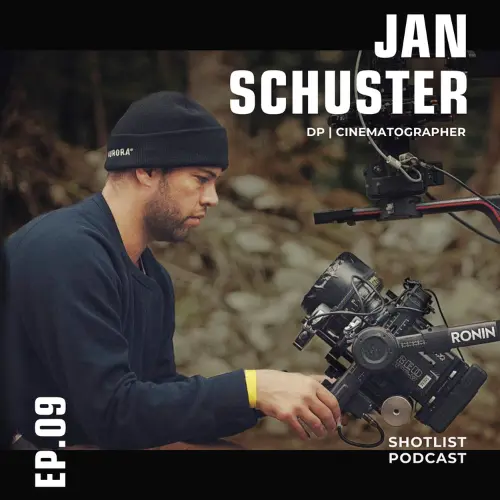
And you know, it's almost 3/4 paid off already, right? And like, so the revenues were there. I saw an opportunity, I bought it and you know, now I have a pro blends in the kit right now. I don't need to rent that when I go out to shoot. I just have one in the kit. The second is I think figuring out those opportunities that can arise with that gear. So you know me, myself and two business partners, Jan Schuster, Violin Media, Gorilla Camera Truck. He's also been on the pod. Yeah, awesome. And Jeremy Drummond Barbershop films. We all purchased a Moto crane together. Definitely an interesting time to be in the arm car space because, you know, you obviously have heavy players in Vancouver that already do it. You know, drones can do a large percentage of what you can do on an armed car, almost more flexibility because you don't have two cars playing with each other.
So a lot of the stuff that we shoot for our automotive commercials with our crew sizes, we put the Inspire 3 up and you know, you're pulling focus on it. You're getting like right beside the car. You're doing big pull out stuff that yeah, you can do. You know, obviously you can't do the same lensing combinations and body combinations as you know, having the, you know, film of technic, but it allows you to do things that weren't really possible before at that scale, right. And so we went out, we bought this arm because we're like, you know, it's a good opportunity, good deal on an arm. You know, Jen already had the truck built out and I think my viewpoint on it was a little more than just one sided, you know, buy this arm to get rentals on it and pay it off and be the arm guys. It was like, how can we wrap it into our production so that we can operate on nimble teams but still have an armed car, right? So how can we do these like productions where again, kind of what I said before, crew size, they're coming down, budgets might be coming down.
How can we operate with the same team that we operate with, but have an armed car for those specialty shots? And so we went out, we went out to Stave Lake and we shot some stuff pairing with the Amber on the arm shots that like I've never seen before, you know, you get the fast parallax kind of that robo arm style. And that segued into multiple different jobs down the line just from those shots, right? And that was again, kind of similar to spec day, right? And so that was like a direct correlation of buying gear for output. Cool kind of opportunity. You know, you got an armed car now you can kind of go flex it, flex it off. And it's cool to have, right? We haven't, you know, we're still pushing, we have the website coming out soon. And so we're able to do, you know, kind of specialty stuff and in in a different niche space. But it's, yeah, it's, I think the gear, the gear chase is if you're strategic with it, I think there's a lot of opportunity.
A lot of people think they can just go buy a camera body and they're going to get a ton of work. Yeah, maybe 15 years ago when Reds came out, you could go buy a RED and you'd be like, oh, that guy's got a RED, I'm hiring him. But now it's like every camera does the same thing. Yeah, there's certain aspects, but you need to be the DP that's getting hired. OK, I have an RE in my kit. You're going to rent my RE. But they're not, they're not hiring you as the DP because you have a 35. You know, they're hiring you because you do what you do and you're talented at what you do. And now you have a 35 that you can rent back to the production. So I think there's a, it's a interesting one to navigate, but it's, again, when I said earlier, it's, it's the most exciting time to be in film because it's like, well, exciting. There's also a lot of other aspects. To that exciting and scary, let's be real here. Exciting and scary, Yeah, I agree. I mean, let's get real like in in five years from now, we're going to look back on us holding big red cameras with easy rigs and just be like, yeah, that's like looks like your grandfather in World War One or something.
You know, just like, you know, we're, we're moving too fast about pace. Yeah, yeah. I mean, that's a whole nother, whole nother thing for sure. But I think, you know, to that same point, it's yeah, it is since I've started. It's cool to see like that development and how much access we have now and again, allowing you to just be like creative, you know, having the tools and be creative because before I was, you know, quite gate kept to get those tools or as expensive like you can just go out and do that, right. So now more than ever, you know what that's going to progress into. I don't really want to think about, but it's it is a cool opportunity for sure. Yeah. Is there any like big mistakes you've made with gear, Like bought the wrong thing, broken the thing, didn't, I don't know, insurance, things you didn't think about, bought something that just completely was worthless, like whatever.
Is there any like gear? OK, well. I have a couple. I mean, I've put probably 50 drones into the dirt, OK. I mean, that being said, FPV is a very gruesome type of type of flying. You know, you're doing risky shots. So I put down so many FPV drones inspires, you know, handful of inspires for sure that you've fallen out of the sky crash. But like I mean, at the end of the day, it's like if you're not pushing your gear, like there's a lot of people that are super protective about their gear, which is fine if you want to do that, but I think it's a tool like I want to push it. I want it to be getting the shots that I want to get. So if I'm going to lace through a tree set, you know, and I have a dual op camera operator, it's going to capture like some crazy parallax move, I'm going to do it. And if it involves putting the drone down, cool, let's get the next one up, you know, like let's have the next drone up in the air. Like I think now it's, you know, before I definitely would get hung up.
I'd be like, oh, like, you know, I crashed a drone today. Next drone in the air, you know, yeah, it's like it's you just got to put it back up in the air. And I think that's the important part because it's like ultimately pushing that gear is what's going to get you that next job, right? So it sucks at the time, you know, insurance, I think we haven't had any insurance claims. Usually I just fixed gear. You haven't had any crazy like crazy write offs where it's not fixable. You fully lose it. I mean, I've lost drones, but you just replace it. It's not the end of the world, but the the other one is, you know, this one I'm going to leave to to other people to figure out, but it's the underwater world. I've done it twice now where I've been like, I want an underwater housing. I'm going to go buy one and buy it once for a job sits on the shelf. And I did that again. We went to or we went to Fiji and we're shooting whales and you got some incredible shots.
And I'm going to buy one underwater housing for the A7 mark 3A7S mark 3, get this nice housing, nice Dome, use it for the shoot. And I never, I think I've used it once since then. And so it's like, I think now more than ever, I'm starting to realize it's kind of the same thing with post that we we spoke about earlier where it's like, you know, just hire the people that are good at what they do to elevate the project. Same thing with on production too. Like if we have an underwater scene or the piece is partially underwater, let's get that underwater DP that knows what he's doing and has the set up to do what we want to do. Because I think ultimately, like hiring them, they're going to be dialed in. That's all they do. They live, breathe and eat that medium of filmmaking, right? So. Is it fun to run the underwater camera?
Do I have shots that are sitting on my hard drive that I really want to post? Yes. Am I going to post them? Maybe. But it's fun, right? I mean, you're trying different trying different mediums at the end of the day. So I think like those are kind of like my two gear gear situations for sure. Wins, fails, wins, fails. Yeah. And they all, they all, they all circle back around, right? I think it's like everything feeds into each other at the end of the day. You know, you lose, it's like investing, right? You lose on one thing, you went on another. You lose on one thing, you went on another. Yeah, I think people also like look at them as like, I don't know, there's a like if we were running a construction company, you would be buying, you know, like small machinery, whatever tools, all these sorts of things. Like I often try to think of it like that. I'm like this red camera is just I bought a nice whatever version of that is on the construction site, you know, some, some tool that's going to really improve and get me the next job and all that kind of stuff. And so when you start to think about it like that, it's like, Oh yeah.
Well, if I had a construction site or a construction company, I would just, I would have to have a whatever $60,000 truck to, you know, put all the things in the box and, and have all the right, you know, ABCD. So I don't know, I try not to like think of when people say, oh, like that's a nice toy you have. I'm like, oh, you know, I'm like, it's actually a tool and I have to think about it as a tool because I think about it as a toy. It's a problem. It's a very expensive toy problem, but I think better be making money or, or providing me with the next career move or get rid of it. You know, that's kind of my mindset around it. Yeah, I know. I I agree with that. It's again, same thing as investing. If you can realize that cool. This isn't serving me or serving my career right now, move on from it. You know, if you want to go all in on that medium perfect right. Like I've, you know, there's definitely a couple piece of equipment that I bought that like go and they they sit somewhere else and they get their rentals and move on from that. But yeah, I think there's a definitely a lot of lot of avenues you can take the the gear world and it could be interesting to see what happens over the next few years. Yeah, definitely.
And when it comes to marketing relate and relationships, like people are looking at like the career you've built and, and they're just like everything that's going on, like you're posting and like these big jobs now it's like, how have you built these relationships are Yeah, began to connect with people because I think a lot of creatives are introverts and oftentimes maybe also want to stay in that like operator mindset. Let's say, like what things have you done or has it come natural to you to be maybe more of a networker or a selling and and quote UN quote selling? There's never any selling, but it's more of a pitching and and just being in that different mindset. Yeah, I think it's, it's multi layered. There's a lot of different ways you can approach it. I mean, obviously we're in the the greatest time of like being able to market yourself, right. You have like all these platforms that you can put your workout on and you can explode overnight if you're, you know, if you hit something right.
So I think there's a very interesting aspect of that. You know, I'm like thankful I don't need to rely on social to, to sell and market my work. You know, I've built up clients, I've built up relationships with people that most of the work is return work, word of mouth. And so I'm able to navigate it that way. And then you also garnish, obviously, when you post a project, someone sees the project and you know, that stems that stems from work. So I don't want to say that it's not direct correlation to what I post, but I think there is obviously a large part of I've always been pretty active, you know, when Vimeo was a thing, when YouTube was a thing, like, sorry, not a thing because they are things, but you know, I've always been pretty proactive with those. I don't post a ton, but you know, how can I get this posted on another page? Or how can I get this? Like, you know, what's the the chess game there of like getting work shared and then, you know, you grow your following and you kind of like you're able to to garnish, you know, new relationships and contacts.
It's like, yes, Instagram is not where I make my money, but it has like been the the business card to get, you know, foot in the door to get conversations rolling. You know, you message one person who connects you with another person, all from Instagram, and then, you know, you're in a cool location shooting a cool project, all from that platform. Like I think that one like Instagram has been like the largest driver of like opportunity in my life as far as like not money related, but like networking related. And you know, being able to like at your thumbs, you're able to reach out to anyone. You know, like if you have a project in mind or someone you want to work with, like you can message them right there. Like doing that, you know, 15 years ago, you'd have to e-mail them. You where are you going to find their work?
Maybe you don't find their work. Maybe it's like, you know, most ads were just playing on TV, you know, so there's like so many layers to that. Even when it even when Facebook was a thing, it was kind of you wouldn't really just message people on you would, but you wouldn't really just message people out of the blue on Facebook. But Instagram is kind of that like platform where you do that. And so I think that's led to, again, not only filmmaking opportunities, but it's led to like life experiences just from that platform that have segwayed into business opportunities, right? It's that like that multi layered thing that you're like, oh, nothing's going to come out of this, but it does, right? Like, I think interesting one for me was this video that got posted and then I had someone reach out to me and he's like, oh, we should connect.
And then I was down in LA and he introduced me to someone else. And then like 12 months later, I was flying to Europe to go on the skydive trip and film trip. And then, you know, 12 months after that, we were jumping into the Blue Hole and Belize. And that was like, I mean, that was probably top three craziest things I've done. You're jumping 200 miles offshore into the Blue Hole out of a plane. And that was all from like one Instagram DM. Like if I didn't open that DM or didn't reply to that DM, like, you know, and I, I was able to like kind of, I was able to introduce my friend to another group of friends. And there's just like, kind of this like building block of like crazy layered situation. And it was like, that was a crazy experience. It was all from like one DM, you know, So I think it is a cool marketing platform in that sense, whether it's for business or just life in general.
Obviously you have to provide some value like you can't just like you're shooting a DM OK, what value are you providing to that person? So they don't know you What Like why? Why are they going to respond to you? Or like, why are they going to, you know, obviously you can be nice and you can, you know, they're just asking a question. But it's like, ultimately, if I'm going to go message someone, it's like, OK, well, how can I, you know, serve this person if I'm going to ask them a question because I want to give them information to or I want to help them out or help them solve a problem they're trying to solve. So I think it's a it's a crazy tool that, you know, I think people are obviously harnessing and like people are harnessing it on the ways of like, oh, I'm going to blow up and get famous. But I think there's like a whole nother side to it. It's just like friendships, networking relationships, like built some friendships off of like a social media platform.
You know, it's right. It's a cool thing. I think that a lot of people, some people use it to their advantage, some people don't. I mean multi way to use it for sure. Yeah, I think the important part you hit on there though is the add value piece is like, yeah, because I think it's easy to get caught up in the how big is your account? How baller does it look like all these sorts of things, but can you reach out to someone and add value? I think it's a lot of I've noticed in people who are trying to figure out how to do this for a living, there is a what can I get from you mindset and that energy never works, you know, as people pick up on that right away. So I think it's like, yeah, we're just humans. If you want to go really read any book on relationships in general, not about our work, but just how humans work in relationship, Like it's like, how can you show up, add value and create connection?
And so I think you just hit on a really important part there that often is overlooked. Yeah, I mean, the adding value part is, is crucial. And you know, it's like, I think it's a treading lightly thing. Like you don't want to seem like you're just adding value just so you can get something. It's like, how can you provide real value? And I think, you know, in that regards it's like, cool, if you're providing real value, sometimes it turns into a friendship. Maybe it just stays a business relationship. But that's, yeah, it's a crucial part to it for sure. Yeah. And as we begin to kind of wrap things up, is there is there anything that's specifically firing you up right now? I feel like you got a lot of them go like what's what's top of mind and exciting. Yeah, I think like, I mean, it's, it's, it's been a segue over, you know, I was raised by a mom who was very proactive with, you know, visualizing manifesting to, to reach my goals.
And I think that was like, so crucial to the start of my career, you know, being grateful, gratitudes, all these things that I think was very crucial, like, not like keeping a positive mindset, what I bring to the table. And so that idea of manifestation when I was younger, I'd be like, oh, yeah, mom, whatever. You know, I'd still do them. I'd still do all these things. But now I'm like, you know, now I'm 28 and I'm like, starting to look back on those years of like, wow, like a lot of these opportunities that have come from my career have been like, almost from that those mindsets and those ideals that my mom has taught me and raised me with. And so, you know, more recently, it's, yeah, a job came like direct from manifestation. So I think like, it's happened a ton in the past.
But like really just like taking that running with it. I the most excited right now fired up for is that rest we're talking about. I'm off for three weeks right now. So that is like, you know, I get to dial in my house, I get to come home, get like, you know, it's still going to be a ton of stuff. We're still going to have a ton of prep work to do different jobs are are kind of lining up. But I think for this summer, I want to, you know, reset my brain, ground myself, really just step back. And I think like, you know, now is important because then you can digest everything that's going on. You can digest what you did, what you can improve on. And I think like times of reflection excite me. So times of reflection would be like, you know, there's some spec stuff we're working on and some other projects. You know, I want to post some stuff that I haven't posted, but having that time of reflection I think excites me right now it to to be like, OK, how can we make the next one better? You know, what do we have to change about ourselves or what do we have to work on about ourselves to to really push it when we get back into the field and chaos breaks loose? Yeah, chaos breaks loose.
So I'm, yeah, excited about that. That piece I was talking to you about the Lamborghini, the Lamborghini piece that we shot, Area 27, we're working on finishing that up. That ones definitely a bit of a mind Bender, just a lot going on in it. Yeah, just kind of stepping back. Yeah, it's it's a season you're in. I think it's the moment, yeah. Summer, summer, you know, summer in Vancouver is gorgeous. Get out on the water, enjoy the sun while it's here. And then, yeah, hit the ground, hit the ground running. Like I think, you know, kind of later in August, September, try to start lining up for, for that, that, that zone. So a lot of fun stuff on the horizon for sure. Yeah, I mean, so you, you hit on this, but I'm going to we'll see if you want to go here. But the manifestation thing, I, I actually chatted with us with a recent guest, Chris Vestal here.
And he also had a very similar mindset when it came to like how he's landed his dream career job and just how important that was for him. I mean, you said your mom taught you some of these things early on. What are those for those who are listening? Like, what does it even mean to manifest something? And what does that do you just sitting there thinking about, I want to, you know, what does that look like for you? So I think it's an interesting one because I mean, at the end of the day, it's all mindset, right? You can, I know a lot of people that are, there is a lot of people out there that are like, oh, this isn't working out for me. I don't like this. I don't want to do, but I mean, nothing's going to come of that if you have that mindset to things, right? So I think the idea of manifesting is interesting because you're putting an idea out there of something you want to do, right? So is it a job? Is it a health goal? And you know, some people write it down, some people make vision boards.
You know, I've done vision boards in the past. And you know, people are like, oh, that's woo woo, you know, woo woo hippie stuff. I'm like, well, the idea of it is you're looking at it every day. So it's going to be subconsciously going into your brain. So if you have an idea for a job or, you know, a path you want to take your career and you just think about it every day or it's like just on the back of your mind every day, you know, putting it out there, saying it, telling people you tread lightly with telling too many people and then not actually executing on it. But I think if you're putting that idea out there, you're going to subconsciously do things that route towards that idea, right. So it's not like, it's not like it's just magically appearing. You're going to be doing things that make it appear that make it happen. You know, Is there like layers of like coincidences where you're like, whoa, that's weird. Yeah, of course.
There's like always times where I'm like, whoa, that was weird, you know, but you're putting it out there into the universe, however you want to call it, to then come to come back to you in the way that you're hoping for it. So, you know, I think the mindset that my mom raised me with was like, you know, of course, be grateful for the opportunities that do come sending gratitudes. You know, I'm not as intense with it as I was when I was younger. I think she but she built those building blocks in my brain, right? So if I find myself a little more down or, you know, something that's not working out, it's like I'm able to come back and like I used to try and get back into meditation more, but you know, able to slow your brain down and really step back from your brain, almost like third person, like you're good, you're fine. Figure it out instead of just like, you know, getting caught in and just rutting you forever spin cycle in your brain. So, you know, I think the manifestation thing is, is a super powerful tool.
I think like more people need to like take that mindset and it's definitely hard to see past that. Some not like to see on the other side of it because you do like you might get down on it being like, oh, this isn't working. What am I doing wrong? It's like you just have to subconsciously think about these things and you have to do action. You have to action, right? At the end of the day, you have to action for anything to actually play out. But I think if you can action on those things or action on little things that will ultimately get you to that goal will make the manifesting come true. I guess, yeah. I mean, ultimately in my own life, I think the vision board is one way to look at it. But yeah, I don't know. When I wake up every morning, I'm I'm freaking tired. I need a coffee. Whatever's going on.
Like if I, if that, if you still have your true north, your thing, you, you know, when you were in the zone in the pocket, you wrote it down. You have some sort of form of something to gravitate towards and you keep coming back to that. That's all it really is energetically like, Oh yeah, that's where I'm going. Cool. What is the one thing I could do today to put me towards that thing? What is the one introduction I could try to make or you know, whatever reach out to you or whatever thing. So I think it is, it isn't actually that woo woo, you know, really. No, it's not that woo, but you know, when you sit when, when people say the word manifest, you know, woo, you know, and it's like, I find it interesting. I'm like, oh, okay, Like you think that it's like, whatever, it's like, I'll keep on doing what I'm doing. And, you know, it's, it's, it's, I'd say it's working out. So I think that's a, you know, hopefully people can, you know, take that one and run with it.
And I think there's so many tools you can use online to like, help draw those up. Like I think I made a, every time I've made a vision board, every time, everything on that vision board populates in my life. And I'm like, and the vision board is sad. Like half the time it's sat in my closet. Like I, you know, I put it up before, but like, sometimes I'll make one, I'll be like sat on my computer in Photoshop. But then I look, then I like open the file a year or two years later, I'm like, whoa, like again, like it's just like everything populates. And so it's like the, the strength of that, like subconscious of like using those tools and the subconscious to actually like bring them into reality. It's the subconscious like super. I mean, the brain is so powerful, right? So you put something out there, it's like your brain is going to, if you have a resilient brain, I think, you know, we're circling back to, you know, the whole health side of things. I think so many things you can do to switch up your mindset and change, change your direction and your course and your path if you do want to change it, right?
So a lot of tools out there. I think a lot of things people can do and. Yeah, it's like that could be a whole episode in and of itself. And so, yeah, I love that stuff. It's so much such been a huge part of my life. It's just working on the inner journey, which then has resulted in the external career path. And so I think, you know, it's cool to hear kind of your full circle, you know, journey with like, you know, building resilience through a weight loss journey that has now spiraled into a very successful career and listening to like simple things around understanding mindset and manifestation. And but and then also just, yeah, just the pure grit that it takes to keep doing this. You know, I think that's a big piece. One it's, you know it too, so I think like it's a, you're speaking to someone that knows it too.
It's, it's a tough it's, it's a, it's a battlefield out there. You know, it's like, it's a, but it's, it's fun. It's like it's, I wouldn't trade it for anything. Wouldn't trade anything I do for anything. I think, you know, I have some friends, a lot of people out there that are super wealthy and you know, are doing things they probably don't want to do. And I think, you know, to be able to do what you want to do and make a comfortable living. I don't like that word comfort because I like being uncomfortable, comfortably uncomfortable, comfortably uncomfortable living I think is cool. So it's like comes back to the dopamine levels too. It's like you're always psyching your brain out and trying new things and you know, where it's going to be in five years. I don't know. But it's like present presence is important. So I think being present right now, that's what's going on. And if you can tackle that, that's the most thing. Yeah, well, Zach, it's been super cool to have you on the pod.
I think there's like it's really cool to unpack the journey, see like how the mindsets got YouTube where you are today. And just like, yeah, excited to see where things go for for you from here because I feel like you're on a pretty hot trajectory right now. So yeah, appreciate make sure to take that downtime like you're talking about. And I'm stoked to see what what next projects come out from, from underneath the carpet from you. Appreciate we finally got to make this work. Yeah, OK, awesome. Thanks, Marshal. OK, that was director and aerial cinematographer Zachary Moxley. Zach's story is a reminder that the industry isn't about instant wins. It's about doing the reps, creating the work you care about and going all in, even when no one's watching. I encourage you to check out some of his work on Instagram at Down to Film or on his website zacharymoxley.com. If you're looking for rental gear for your next commercial or spec shoot, make sure to sign up for the 20% off SHOTLIST discount by heading over to llsr.com/shotlist. I have a feeling you're going to enjoy checking out the new Substack articles I'm writing, filled with behind the scenes photos and videos of the guests, tips and tricks, resources and tools to help you grow your career. You can find them at shotlist.substack.com or Shoot Me a DM and I'll point you in the right direction. This podcast has become something I really believe in. What started out as a passion project turned into a way for me to pull back the curtain and give creatives access to the kind of insights that are truly and usually kept behind closed doors.
My goal is to help all of us build a successful career we love and make a great living while we're at it. If you found value in this episode, my ask is this. Please give the podcast to follow as it helps me grow and keep bringing high level guests your way. And if this episode landed, please share it with an industry friend who could also gain value from this conversation. We're in this together. Rising tides lift all boats. I'd also love to hear from you. Right now, there's no real way of knowing who is listening. Shoot me a DM on Instagram at Marshal Chupa and let me know you're tuning in. In future episodes, I'll be speaking with photographers, cinematographers, directors, producers, reps, and anyone who has decided to take this ambitious leap of faith of building a life and a career behind the lens. Thanks for listening and we'll catch you next time on SHOTLIST.